
16 Modern Kitchen and Living Room Flooring Ideas
The flooring in your living room and kitchen does more than just cover the subfloor — it sets the tone, affects how warm or cool a space feels, determines how easy it is to clean, and can make or break the durability of the interior.
And since these are some of the highest traffic areas in a home, your flooring choice needs to balance aesthetics, durability, maintenance, safety, and comfort.
Whether you are remodeling or building new, thoughtful flooring can raise the feel of your home, unify style between rooms, and make everyday living easier. Below are flooring ideas ideal for living rooms and kitchens.
Modern Kitchen and Living Room Flooring Ideas
1. Solid Hardwood Flooring
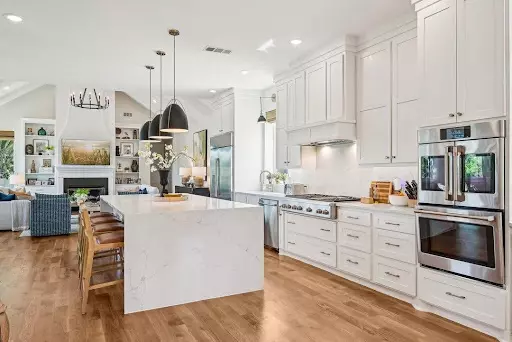
Solid hardwood flooring is a timeless option that adds natural warmth and elegance to any space. Its rich textures and grains elevate the overall look of both living rooms and kitchens, creating a cohesive feel throughout the home. While hardwood can be sanded and refinished multiple times, it is sensitive to water and requires regular maintenance in moisture-prone kitchens. Rugs and mats are often added in kitchen zones to protect the surface from spills and scratches.
2. Engineered Wood
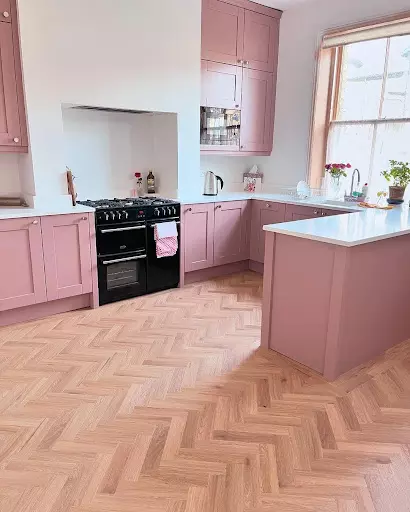
Engineered wood offers the beauty of hardwood with added durability. Constructed from layers of plywood topped with a thin veneer of real wood, it resists warping and handles humidity better than solid planks. It is ideal for open-plan living room and kitchen areas where temperature and moisture fluctuate. However, its refinishing potential is limited compared to solid wood, which makes protecting the surface a priority.
3. Wood-Look Porcelain or Ceramic Tile
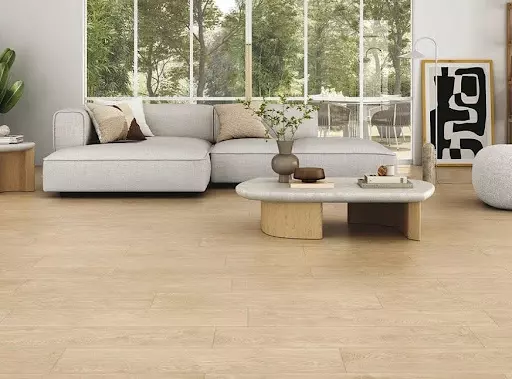
For those who love the warmth of wood but need durability, wood-look porcelain or ceramic tiles are an excellent choice. These tiles mimic natural wood grains while offering the resilience of tile—making them perfect for kitchens prone to spills and heavy foot traffic. They are waterproof and easy to clean, but can feel cold or hard underfoot without rugs or underfloor heating.
4. Large Format Tiles
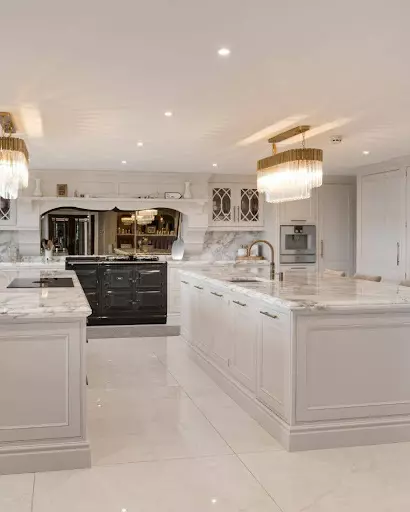
Large format tiles give living rooms and kitchens a sleek, modern appearance. With fewer grout lines, they create a cleaner and more expansive look, making small spaces appear larger. Their smooth finish works well in open-plan layouts where continuity is key. However, installation requires precision and a very level subfloor, which can add to the overall cost.
5. Natural Stone Flooring
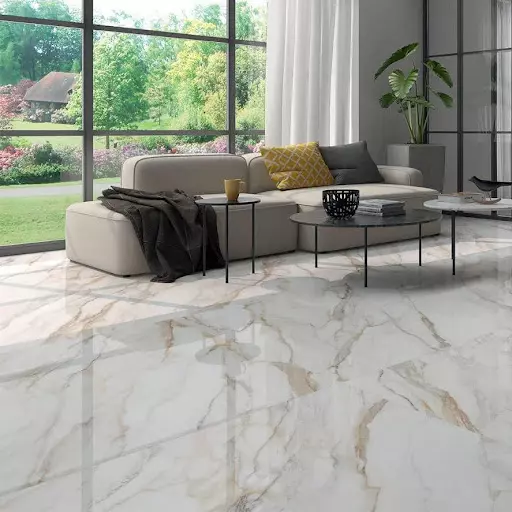
Natural stone options such as marble, slate, granite, or travertine bring luxury and sophistication to interiors. They are durable and long-lasting, making them ideal for high-traffic areas. Stone floors stay naturally cool, which is beneficial in warm climates, but can feel cold in winter unless paired with radiant heating. Sealing is necessary to prevent stains, especially in kitchens.
6. Terrazzo
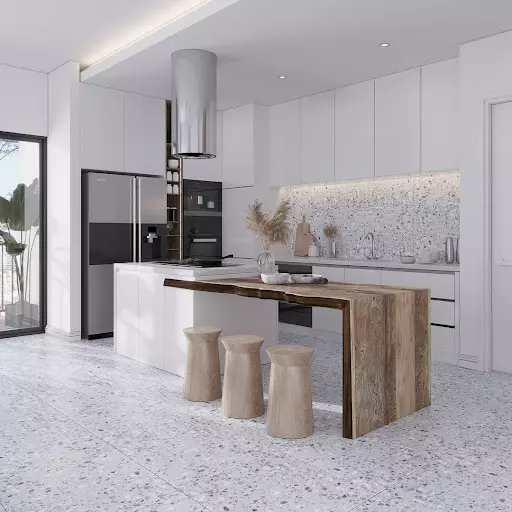
Terrazzo flooring is a stylish composite made from marble, quartz, glass, or stone chips set in cement or resin. Known for its unique patterns and vibrant speckled designs, terrazzo can add a retro or contemporary touch depending on the color scheme. It is extremely durable but comes with a higher price tag and requires sealing to maintain its polished look.
7. Patterned or Decorative Tiles
Patterned tiles are a great way to introduce personality into your floors. Whether in Moroccan-inspired motifs, encaustic designs, or bold geometric patterns, they create a striking focal point. Kitchens often use patterned tiles as a design statement, while living rooms may feature them in smaller sections to define zones. Careful pairing with neutral walls and cabinetry prevents the space from feeling too busy.
Source: thetileshop
8. Concrete Flooring
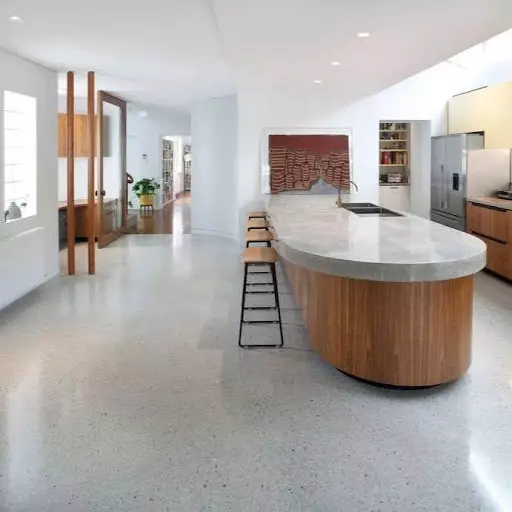
Concrete floors have become a modern favorite, especially in industrial-style homes. Polished or stained concrete provides a sleek, seamless finish that is resistant to water and stains, making it ideal for kitchens. Its durability is unmatched, though it can feel hard and cold underfoot. Adding area rugs in the living room balances the starkness while offering warmth and comfort.
9. Laminate Flooring
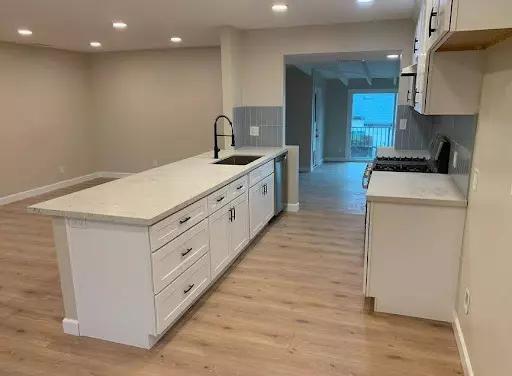
Laminate flooring is a budget-friendly choice that offers a wide variety of finishes, from wood to stone effects. It is relatively easy to install and maintain, making it a practical solution for both living rooms and kitchens. However, laminate is less water-resistant than vinyl or tile, so it’s important to clean up spills promptly to avoid damage at the seams.
10. Luxury Vinyl Tile or Planks (LVT / LVP)
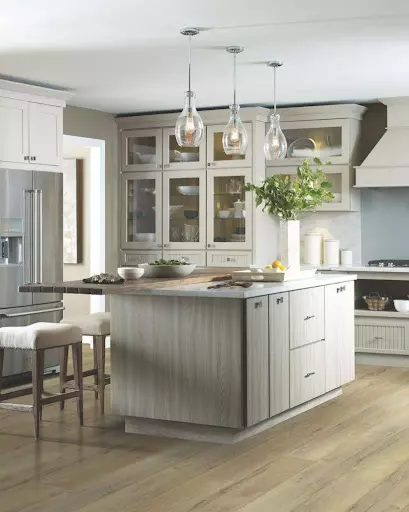
Luxury vinyl tile or plank flooring provides the look of wood or stone while being water-resistant and softer underfoot. Its durability and affordability make it especially appealing for kitchens. In open-plan homes, LVP can be used in both the living room and kitchen to maintain flow without worrying about moisture issues. Over time, it may show dents or scratches, but it remains a practical and stylish choice.
11. Cork Flooring
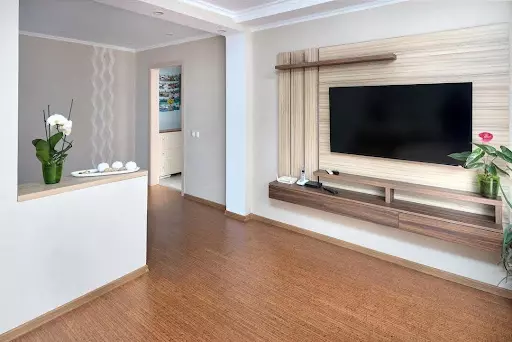
Cork flooring offers a soft, cushioned surface that is comfortable for standing in kitchens and cozy for living rooms. As a natural insulator, cork keeps floors warm and quiet while also being eco-friendly. It does require sealing to resist spills and scratches, but its comfort and sustainability make it a compelling choice.
12. Bamboo Flooring
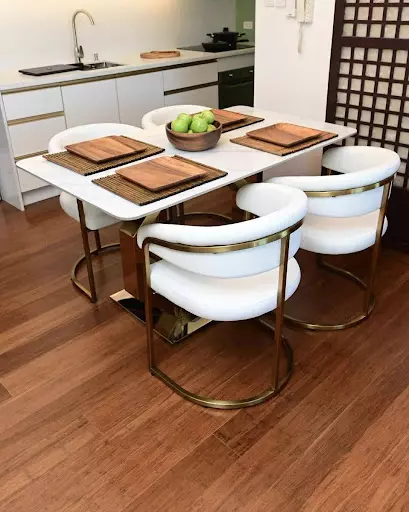
Bamboo is another eco-friendly flooring option that resembles hardwood but is more sustainable. It is strong and durable, making it suitable for busy living rooms and kitchens. However, not all bamboo floors are created equal, so it is important to choose high-quality products with proper sealing to resist moisture.
13. Mixed Flooring with Transitions
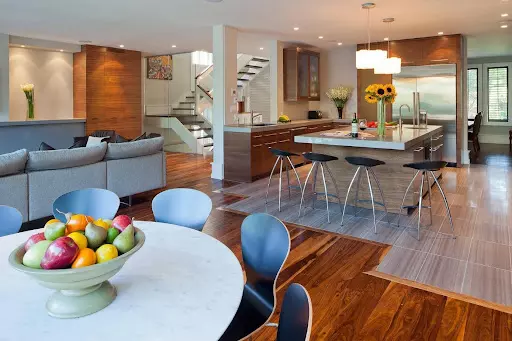
In some homes, using different flooring materials in the kitchen and living room makes sense—such as tile in the kitchen for water resistance and wood in the living room for warmth. Thoughtful transitions, like thresholds or matching color tones, help the different materials blend seamlessly. This approach combines function with style but requires careful planning to avoid visual disruption.
14. Radiant-Heated Floors
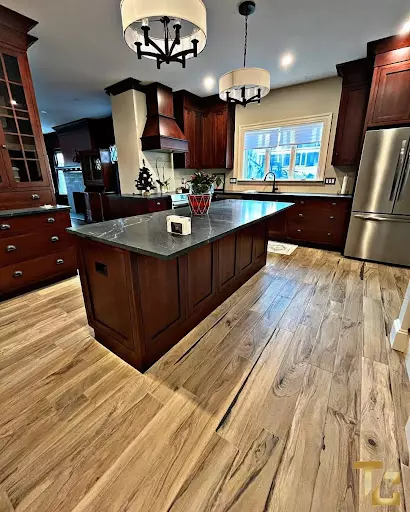
Radiant-heated flooring is an upgrade that enhances comfort, especially in cooler climates. It works well with stone or tile floors that otherwise feel cold. While it increases installation costs, the luxury of warm floors in both living rooms and kitchens makes it a desirable long-term investment.
15. Eco-Friendly and Reclaimed Materials
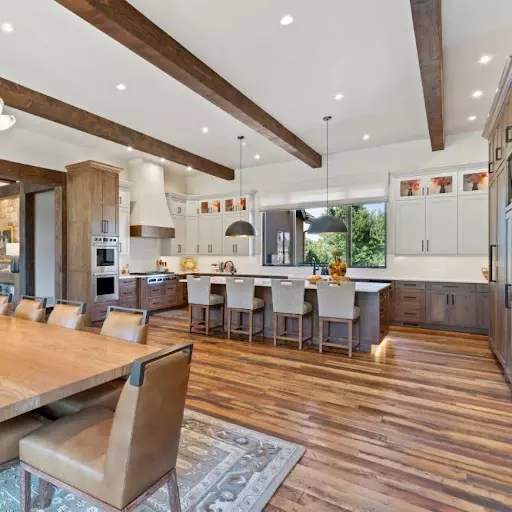
Reclaimed wood, recycled tiles, and salvaged stone are not only sustainable but also add character and uniqueness to your space. These materials reduce environmental impact while providing one-of-a-kind textures. They may require additional refinishing or sealing, but the aesthetic and environmental benefits outweigh the effort.
16. Neutral and Warm Tones
Flooring color dramatically influences the mood of your space. Light neutrals like beige or grey make rooms feel airy and spacious, while warm browns add coziness. Dark floors create drama but tend to highlight dust and scratches. Matching flooring tones with cabinetry and furniture helps maintain harmony across living rooms and kitchens.