
25 Narrow Living Room Dining Room Combo Ideas in 2026
Have you ever felt cramped in your own home, like no matter how much you rearrange, the space never seems to be enough? If you’re living in a modern home with limited square footage, you will probably know and understand.
When you’ve got a narrow living room-dining room combo, the challenge becomes even greater. The good news? With the right strategies, even the smallest spaces can feel expansive, inviting, and functional.
This article will provide you with helpful tips and practical ideas to transform your narrow living room-dining room combo into a beautiful, organized, and multifunctional space.
Common Challenges With Living in A Narrow Living Room Dining Room
Here are some of the common Challenges you may face:
Space Limitations:
One of the first things you’ll notice in a narrow living room-dining room combo is the lack of space. You can’t fit a massive couch or a bulky dining table without feeling like you’re in a maze. This is where smart furniture choices and layout become key.
Traffic Flow:
Ever tried to walk from one side of the room to the other, only to be stopped by a coffee table or a chair? Arranging furniture in a way that allows for a smooth flow of movement is vital in narrow spaces. A cramped, cluttered layout can make the room feel even smaller.
Balance Between Functions:
The toughest part? Combining two distinct areas—the social comfort of the living room and the functional, often more formal, dining area—into one seamless space. How do you create a space that’s both cozy for movie nights and efficient for family dinners? That’s the challenge we’ll tackle here.
How to Make the Most of Your Narrow Living Room Dining Room Combo”
1. Open-Plan Layout:

An open-plan layout where the living room and dining room are visually connected might be just what you need. You can achieve this without tearing down walls by using simple design tricks. For example, use rugs to define each area or arrange the furniture in a way that gives both spaces their own distinct vibe.
Try placing your dining table closer to the wall, leaving the middle of the room open for your living area. The key here is to avoid using physical barriers like walls or partitions that could make the space feel even smaller. Instead, think about “zones” that are defined by the furniture or even the color of the rugs.
2. Optimizing Vertical Space:

Use your walls to your advantage by installing shelves or tall storage units. This not only keeps your floor space clear but also adds a touch of vertical elegance. Think about sleek, tall bookshelves or cabinets that draw the eye upward, creating a sense of height.
You can also check more ideas
- 27 Small Rectangle Living Room-Dining Room Combo Ideas
- 24+ Functional & Fashionable Layouts for Long Living Rooms
- 24+ Modern Rustic Living Room Ideas You’ll Love
- 24+ Living Room Wall Decor Ideas
3. Mirrors and Light:

Mirrors are a great way to give more space. By strategically placing a mirror on one wall, you can open up the room and reflect natural light, making the space feel larger and more airy. Speaking of light, don’t underestimate the power of good lighting. Natural light, whenever possible, should be your best friend. Keep the windows unobstructed and, if you can, add some light, sheer curtains. At night, use soft, warm lighting to create a cozy, inviting atmosphere.
4. Furniture Selection:

The right furniture can make all the difference. Go for multi-functional pieces like an extendable dining table or foldable chairs. These items can be easily tucked away when not in use. Minimalist furniture with clean lines will help keep the space feeling open rather than overcrowded. Low-profile or floating furniture, such as a sofa with legs or a sleek dining table, creates an airy feel.
5. Arranging the Furniture for Flow:

The key to making a narrow space work is arranging your furniture for smooth traffic flow. Try placing the dining table closer to one wall and leaving the central part of the room open. This not only provides space to move around but also ensures that your living room seating faces the focal point of the room—whether it’s the TV, a fireplace, or a beautiful window.
Use area rugs or even color blocking to visually separate the dining and living areas. This way, you can maintain a sense of distinction between the two spaces while still keeping everything open.
6. Symmetry And Asymmetry:
Should you opt for symmetry, where the furniture is balanced on either side of the room, or should you choose an asymmetrical, more dynamic look? Both styles work in narrow spaces. Symmetry can create a calm, orderly feel, while asymmetry can bring excitement and movement to the room. Don’t be afraid to experiment and find the layout that feels best for you.
7. Functionality And Aesthetic:

When designing a narrow space, you need to balance functionality and aesthetics. Think about the number of people you need to seat, the ease of movement, and the overall vibe you want to create. Your goal is a space that looks beautiful but also works well for your daily activities.
8 Add Texture and Pattern:

Use throw pillows, blankets, and rugs to add texture and pattern to the space, creating visual interest and depth.
9. Bring in Plants:

Greenery can help purify the air and create a sense of calm in a narrow space. Choose compact or vertical planters to save floor space.
10. Utilize Vertical Space:

Make the most of your ceiling height by using floor-to-ceiling curtains and shelves.
11. Create a Focal Point:

Use a statement piece of art, a colorful rug, or a unique lighting fixture to create a focal point and draw attention away from the narrowness of the room.
12. Artwork:

Hang artwork or prints above your sofa or dining table to add visual interest.
13. Monochromatic Neutrals:

Use different shades of a single neutral color, such as white, gray, or beige, to create a cohesive look.
14. Bold Accent Wall:

You can also use a bold, contrasting color on one wall to create a focal point and draw attention away from the narrowness of the room.
15. Use Table Lamps:

Table lamps can provide warm and cozy lighting, while also helping to create a sense of separation between the living and dining areas.
16. Install Floor Lamps:

Floor lamps can provide additional lighting and help to create a sense of height in a narrow space.
17. Add String Lights:

You can also consider String lights,they add a touch of whimsy and create a cozy ambiance in a narrow living room-dining room combo.
18. Use LED Light Strips:

LED light strips can be used to create a modern and sleek look, while also providing additional lighting.
19. Use a Runner Rug:

A runner rug can help to create a sense of separation between the living and dining areas, while also adding warmth and texture to the space.
20. Use a Storage Ottoman:

A storage ottoman can provide additional seating and storage, while also helping to keep the space clutter-free.
21. Install Shelves:

Shelves can provide additional storage and help to keep the space organized, while also creating a sense of visual interest.
22. Choose A Compact Dining Table:
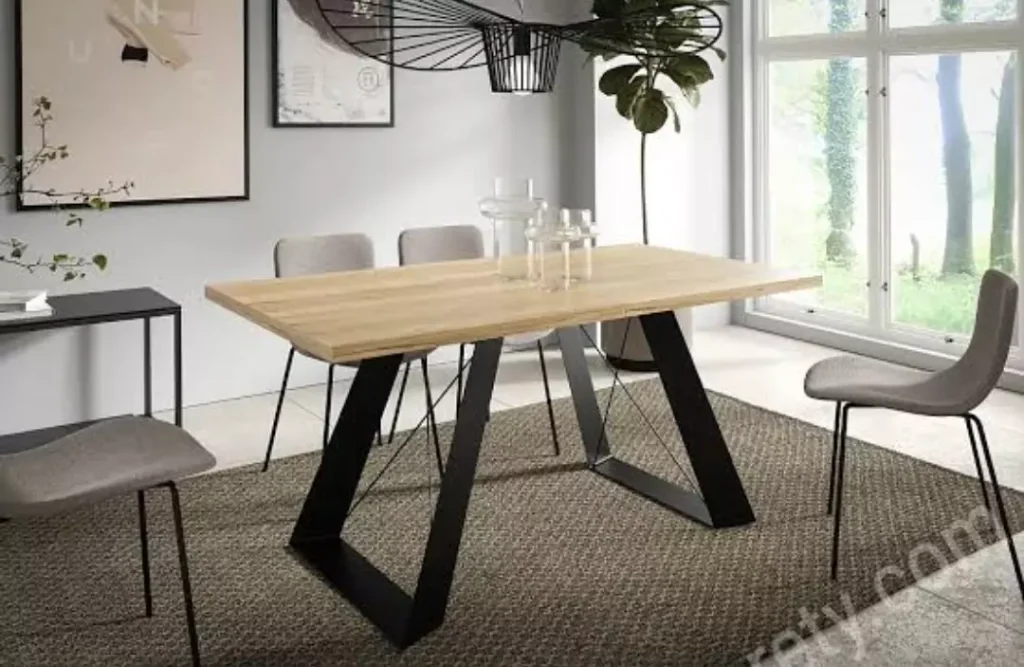
A compact dining table can provide additional storage and help to keep the space clutter-free, while also creating a sense of openness.
23. Use Baskets and Containers:
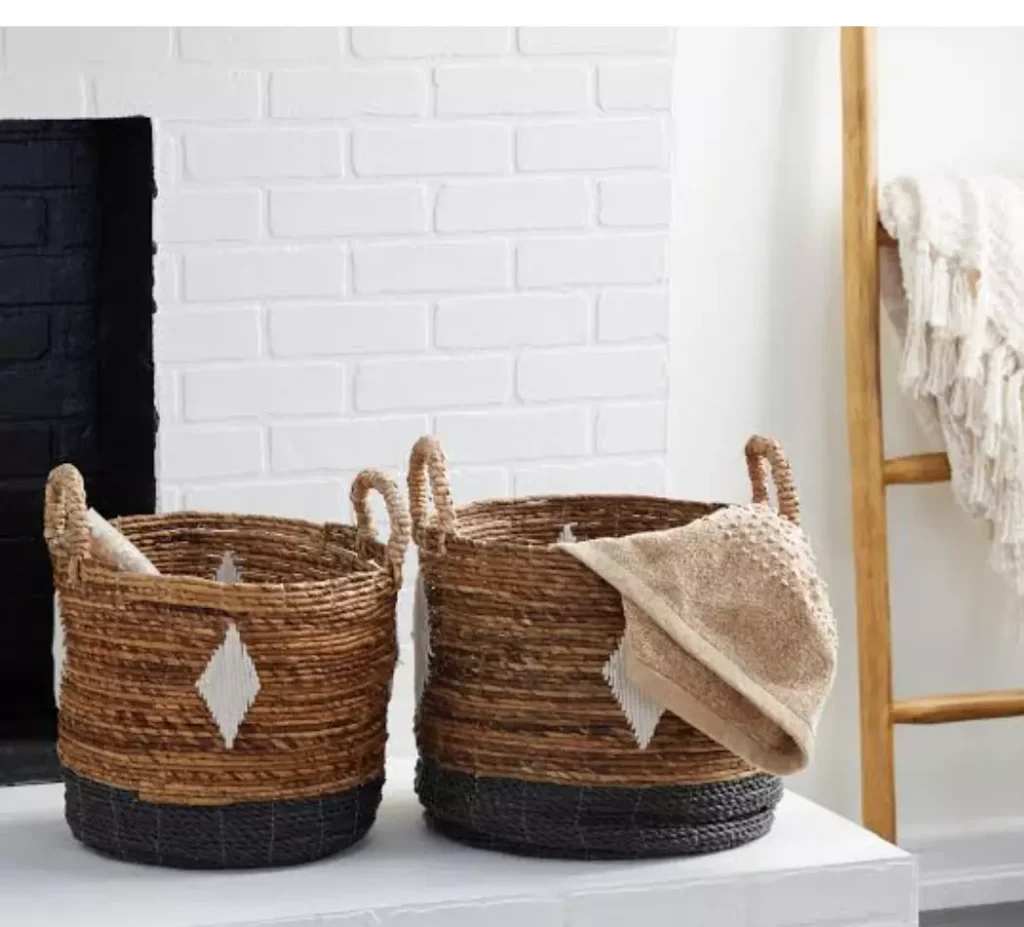
Baskets and containers can provide additional storage and help to keep the space organized, while also adding a touch of warmth and texture.
24. Add a window seat with storage:

install a window seat with storage to provide additional seating and storage
25. Wooden furniture:

Using wood in a narrow living room dining room adds warmth and coziness. Choose light-colored wood for coffee table and select furniture with clean lines to create a sense of openness
Designing a narrow living room-dining room combo doesn’t have to be daunting. By using the right layout, selecting functional furniture, and making strategic color choices, you can turn even the smallest spaces into functional, beautiful rooms that feel open and inviting.
The most important thing to remember is this: with a little creativity, every small space has potential. So, take a deep breath, experiment with the ideas we’ve shared, and see how you can transform your own narrow space. And if you’re feeling overwhelmed, don’t hesitate to reach out to a professional interior designer—they can help bring your vision to life.