
25+ Stylish Small Living-Dining Room Combo Ideas to Transform Your Space
Maximizing the potential of a small living-dining room combo can seem challenging, but with the right ideas, it becomes an exciting opportunity
Combining these two essential spaces doesn’t just save space—it enhances the flow of your home, making it feel larger and more inviting. Imagine hosting a dinner party while staying connected to your guests in the living area or enjoying family movie nights in a warm, unified space
Let’s explore how to make this compact space both beautiful and efficient, blending comfort with functionality effortlessly.
1. Open Concept Layout
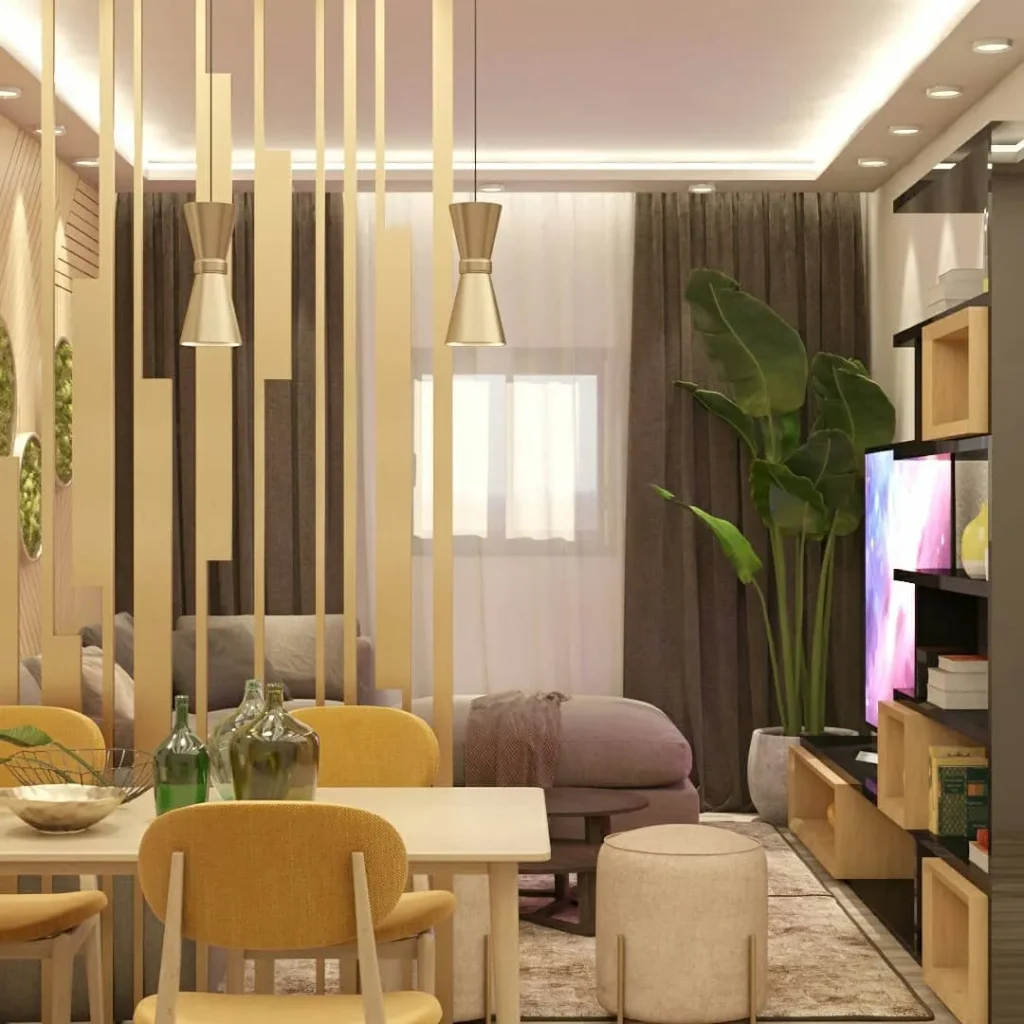
An open-concept layout is ideal for small living-dining room combos. By removing visual barriers like walls, you can create a sense of spaciousness. Choose furniture that works in both settings, like a sofa that doubles as a divider between your living and dining zones.
Stick to a neutral color palette to keep the space light and airy. Add a small dining table and comfortable chairs for meals.
You can also check more ideas
- 25+ Living Room Window Treatment Ideas for Every Style
- 26+ Brilliant Small Kitchen Living Room Combo Ideas in 2025
- 25+ Small Bedroom Office Combo Ideas to Work From Home in Style
- 25+ Inspiring 2nd-Floor Loft Decorating Ideas in 2025
2. Multi-Purpose Furniture
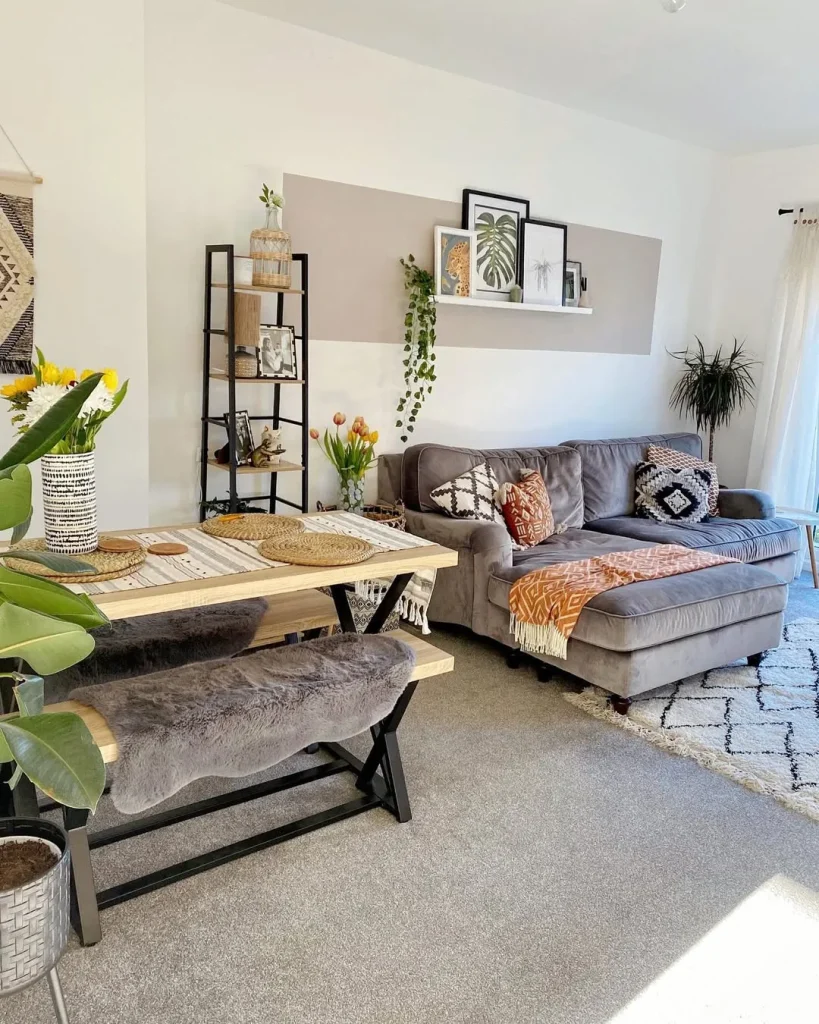
Invest in furniture that serves multiple purposes. For instance, a bench with storage can act as both a dining seat and a place to store extra throws or tableware. Foldable or extendable tables are perfect for accommodating guests while saving space day-to-day.
3. Compact Dining Sets

Opt for a round dining table with slim chairs to create a cozy dining nook that doesn’t feel cramped. Round tables save space and add a touch of elegance, while lightweight chairs are easy to move around if needed.
4. Built-In Seating

Built-in benches or banquettes along one wall can maximize your dining area while leaving room for your living space. Pair it with a slim table and cushions to make the setup both practical and inviting.
5. Area Rugs for Zoning

Use area rugs to define the living and dining zones. Choose a soft, neutral rug for your seating area and a more vibrant one under your dining table to subtly distinguish the spaces without physical barriers.
6. Floating Furniture
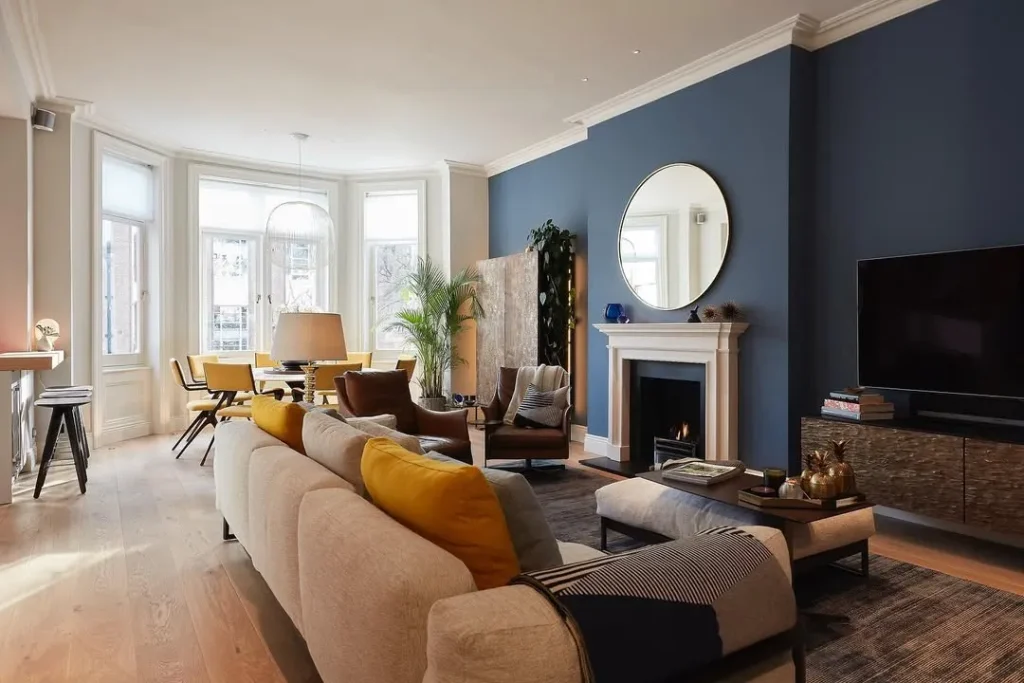
Place furniture away from the walls to create a sense of flow. A floating sofa, for example, can act as a natural divider between the living and dining areas, making the room feel more spacious and open.
7. Vertical Storage Solutions
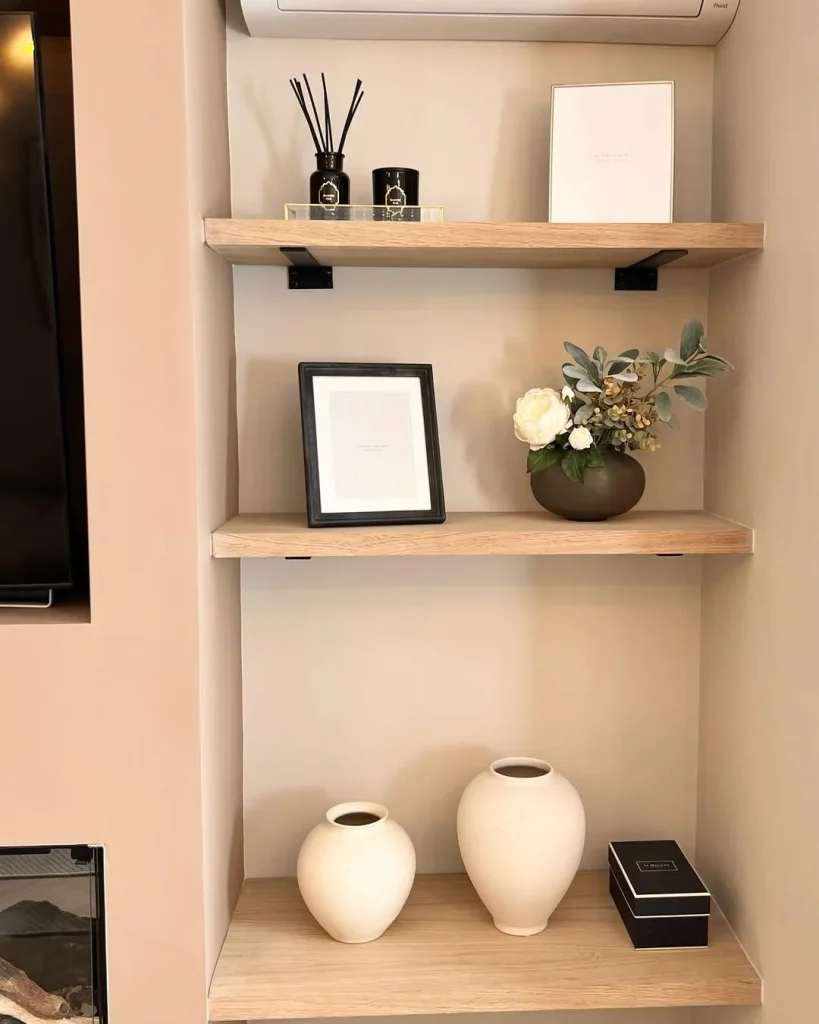
Maximize vertical space by installing shelves or cabinets on walls. Display decorative pieces, books, or dishes to free up floor space while adding personality to the room.
8. Mirrors

Mirrors reflect light and create the illusion of a larger space. Position a large mirror strategically, such as behind the dining table or opposite a window, to enhance the brightness and openness of your combo space.
9. Matching Color Scheme
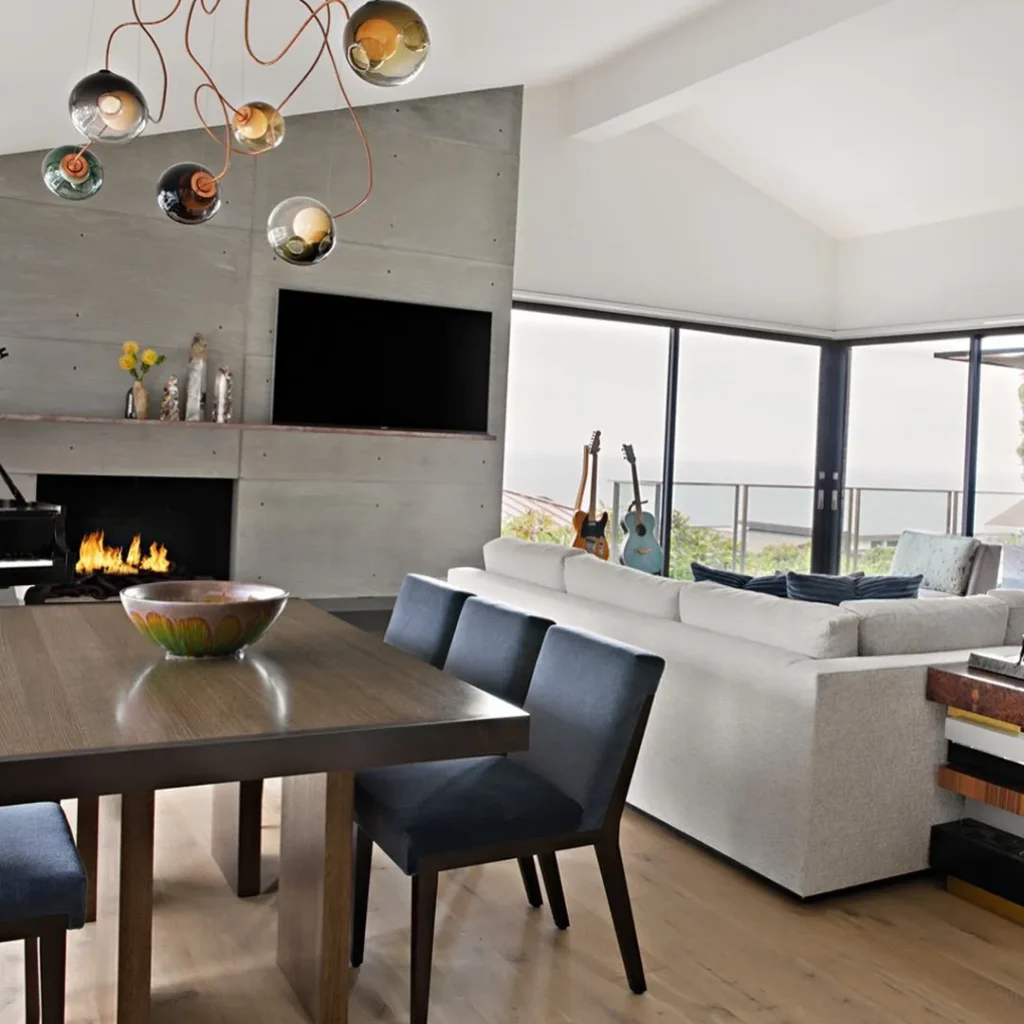
A consistent color palette ties the living and dining areas together seamlessly. Choose complementary shades for furniture, walls, and decor to create a cohesive and harmonious look.
10. Foldable Partitions

If you want occasional separation between the living and dining areas, use a foldable partition or screen. These are easy to tuck away when not needed and can add a decorative touch.
11. Lighting
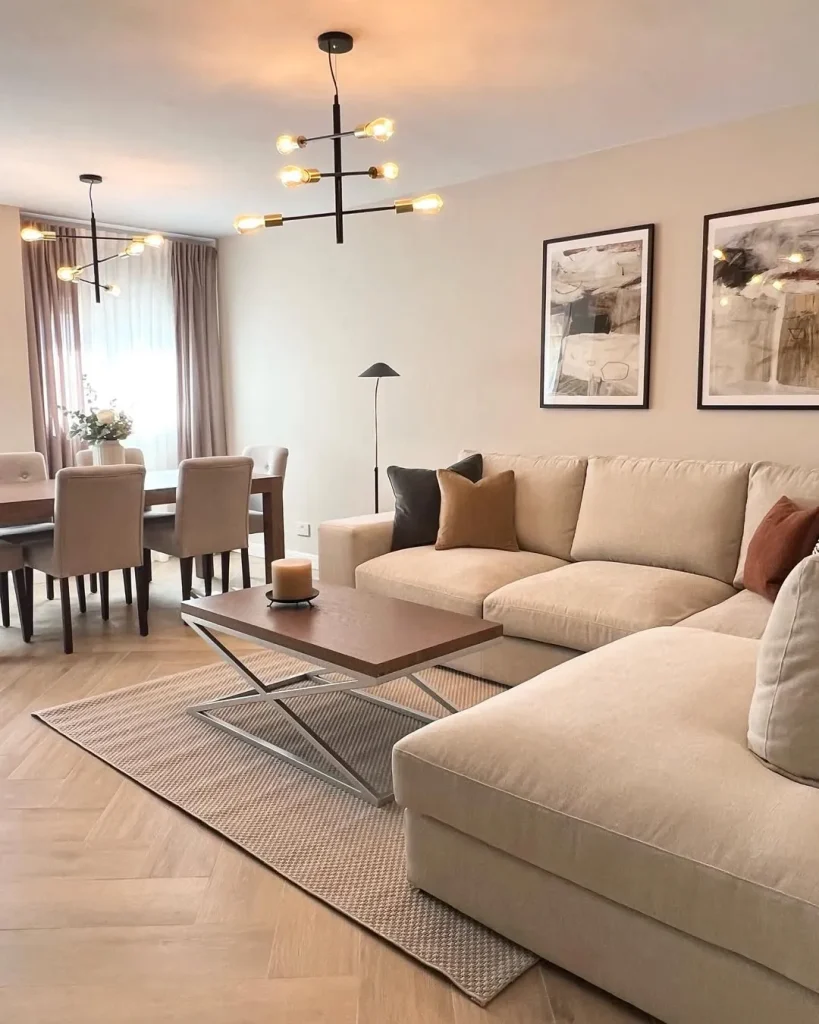
Hang a chandelier or pendant light above the dining table and use stylish floor or table lamps in the living area. Lighting creates distinct zones while adding warmth and charm.
12. Compact Sofas and Armchairs
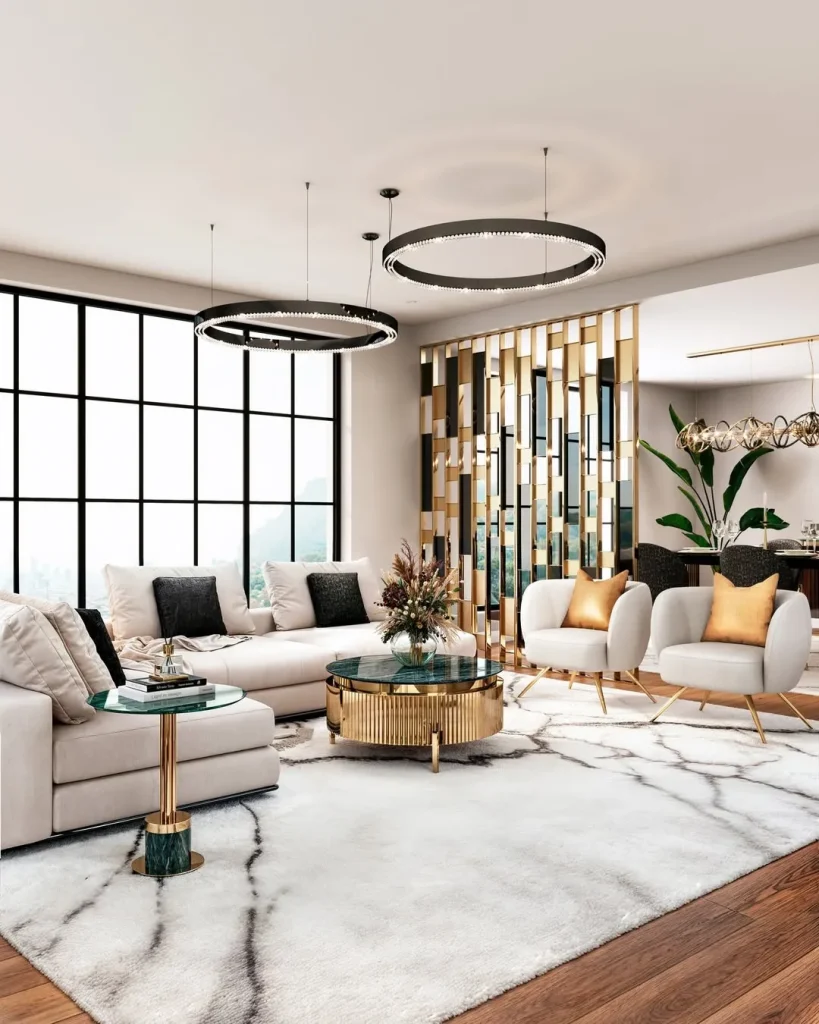
Choose slim-profile sofas and armchairs to save space without compromising comfort. Modular furniture can also be arranged differently to suit your needs.
13. Gallery Walls

Decorate one wall with a gallery of art or photos to draw attention and make the space feel curated and stylish. This works well in either the dining or living area.
14. Glass Furniture
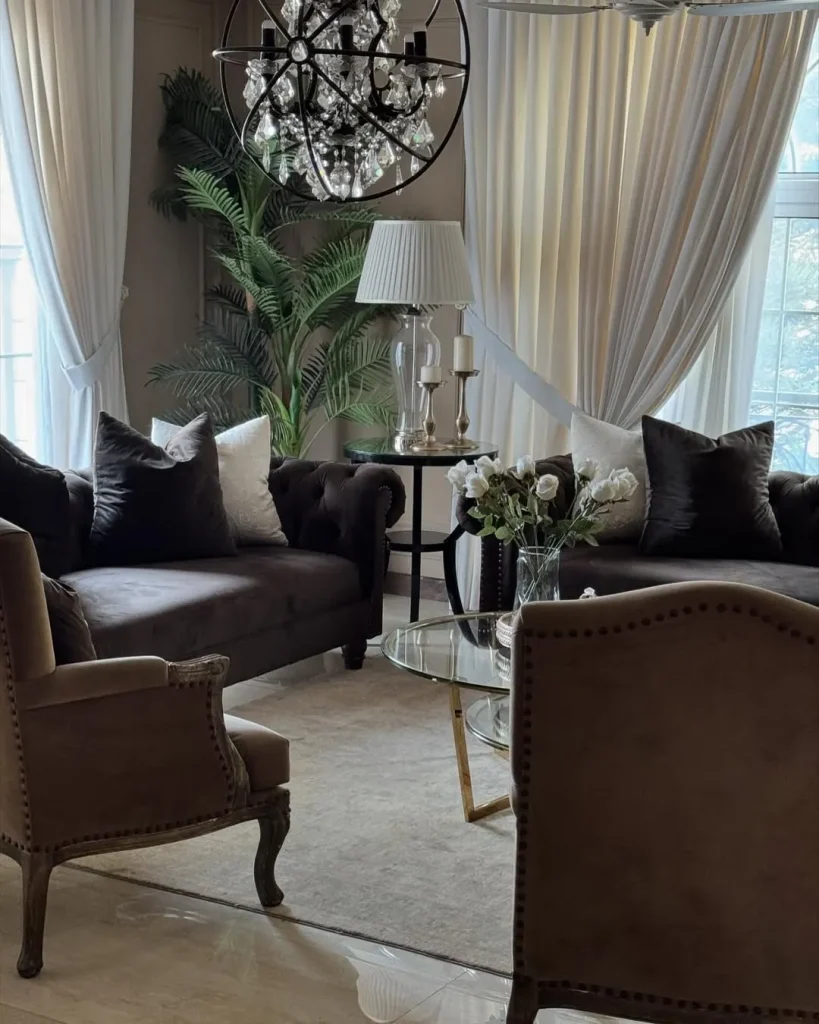
Glass dining tables or coffee tables create a sense of openness and don’t visually overwhelm the space. Pair them with minimalist chairs for a modern look.
15. Dual-Purpose Cabinets
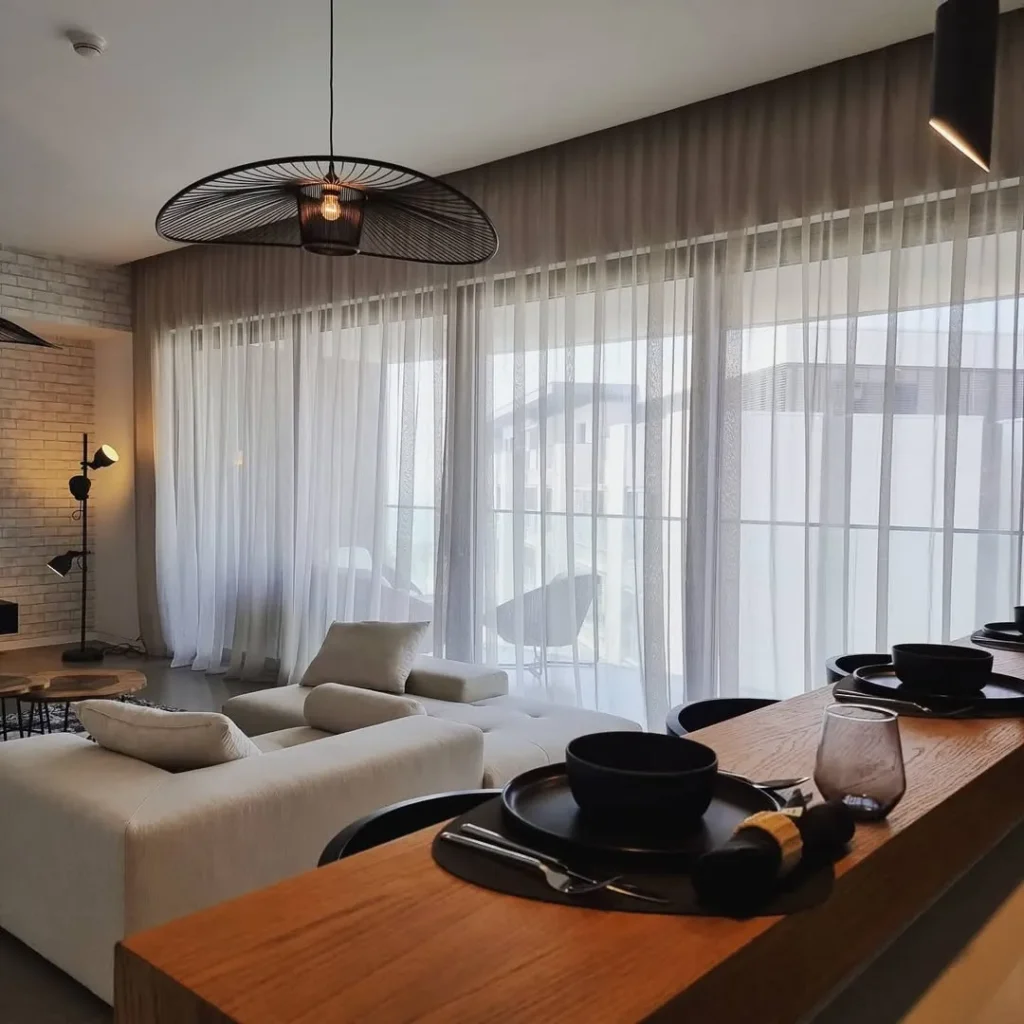
Use a sideboard or console table that serves both areas. It can store dining essentials on one side and act as a media console or display surface for the living room on the other.
16. Neutral with Pops of Color

Stick to neutral tones for walls and large furniture but add pops of color through cushions, artwork, or table settings. This keeps the space fresh and vibrant without being overpowering.
17. Sliding Doors or Curtains
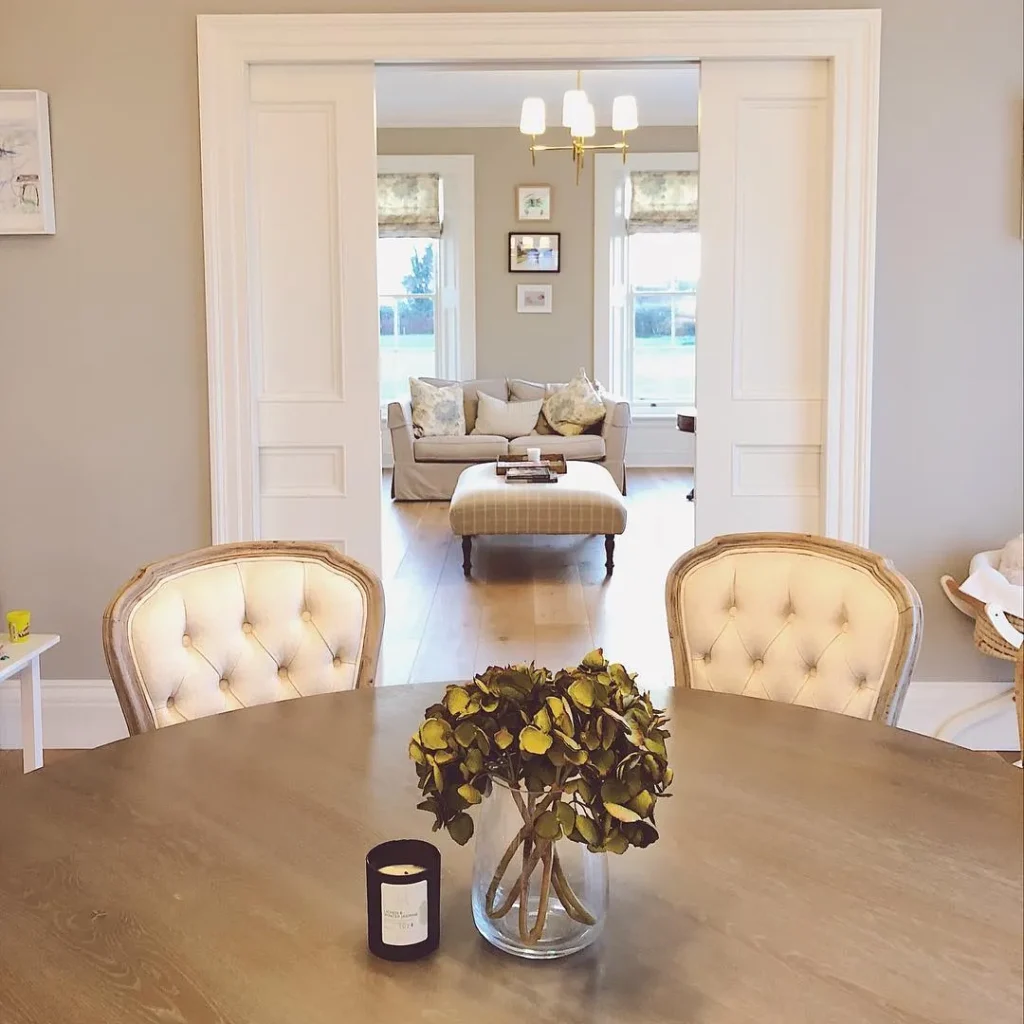
If you want a bit more privacy between your living and dining areas, consider sliding doors or curtains. They’re stylish, functional, and easy to install.
18. Minimalist Decor
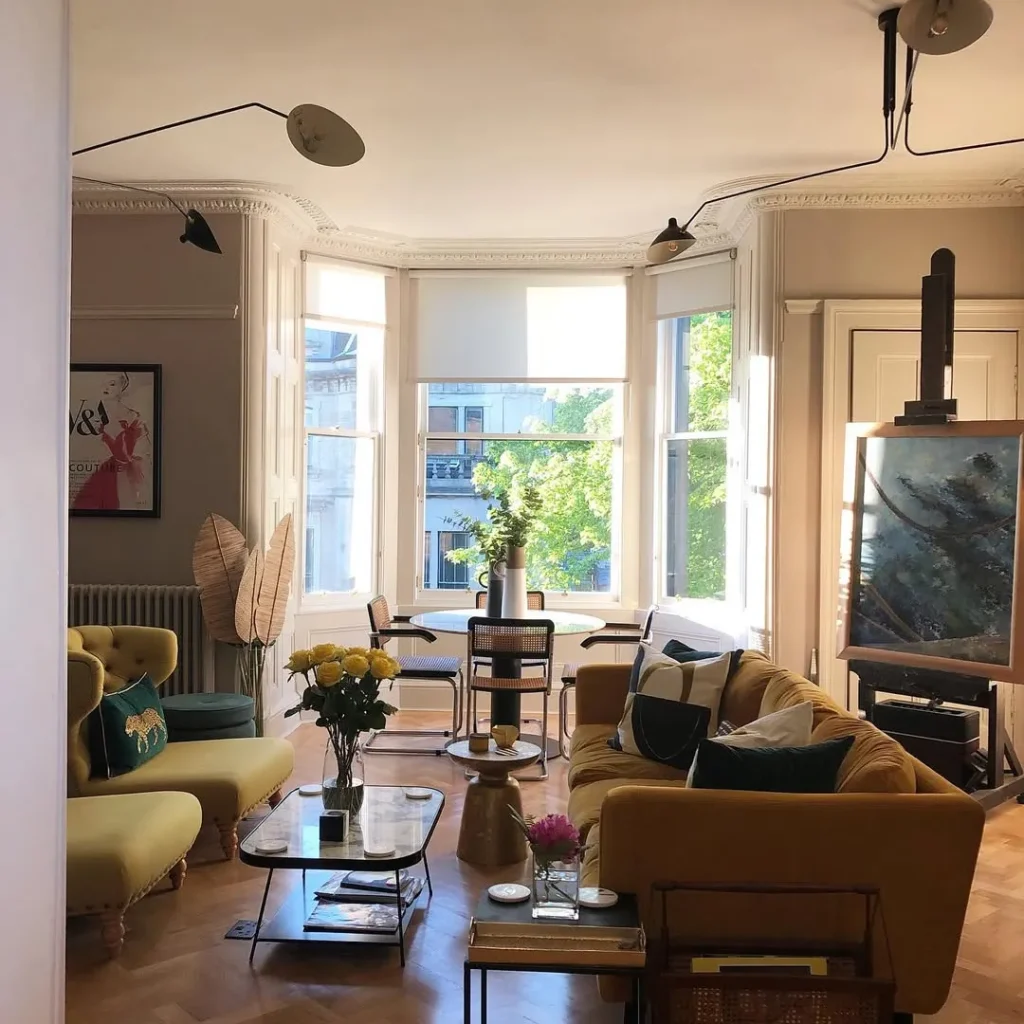
Less is more in small spaces. Focus on a few key decorative pieces, like a beautiful centerpiece for your dining table or a stylish coffee table book.
19. Outdoor-Inspired Themes
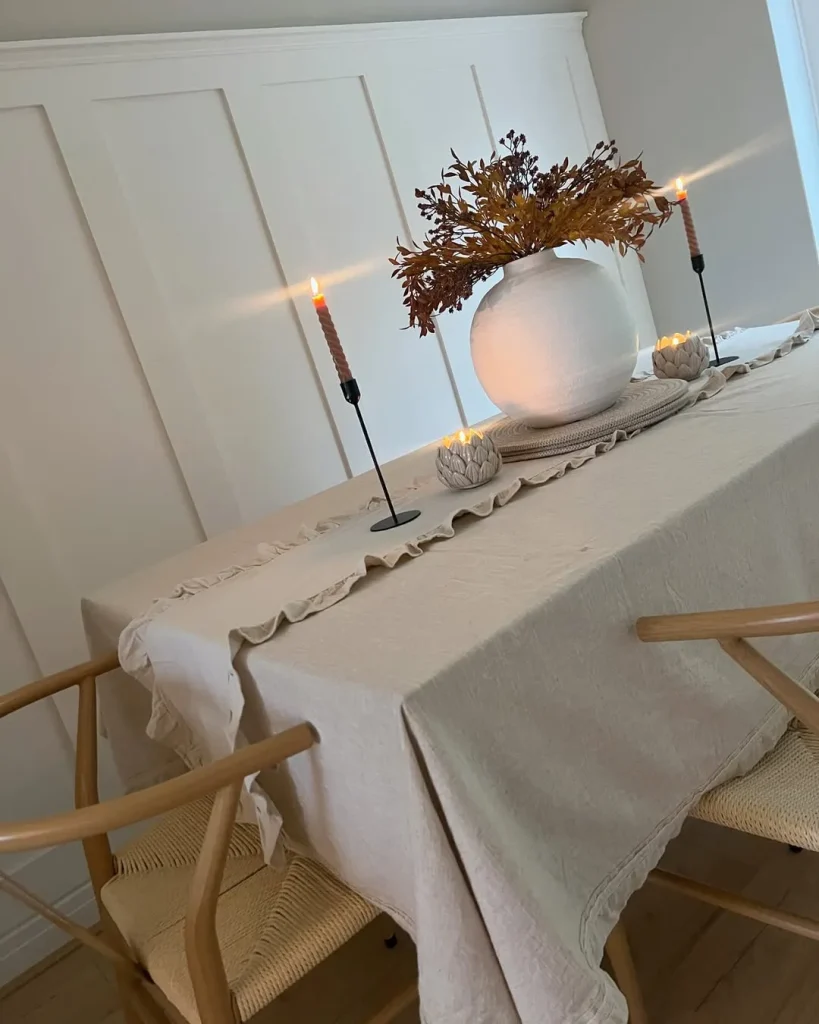
Incorporate natural elements like wooden furniture, indoor plants, and earthy tones. This brings a sense of calm and cohesion to your compact space.
20. Corner Seating Solutions

Make use of corners with L-shaped sofas or corner dining benches. These maximize seating while keeping the center of the room open.
21. Bright and Airy Curtains
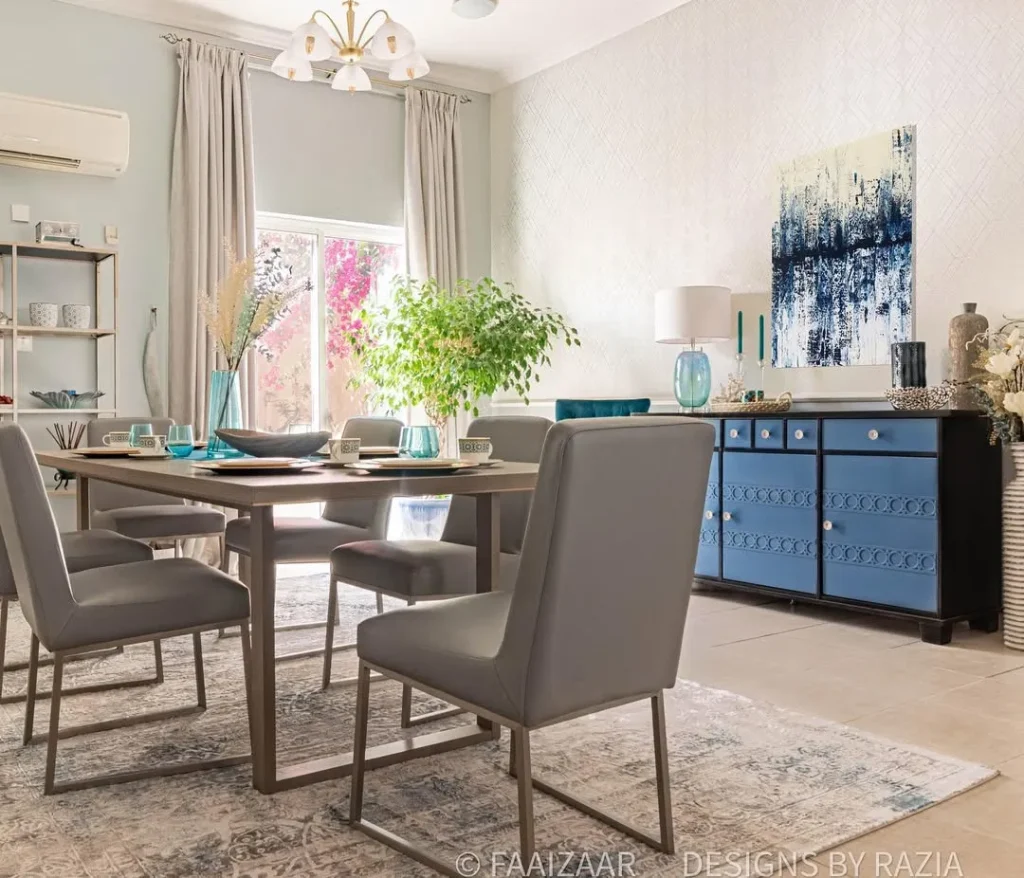
Choose light, airy curtains or blinds to let natural light in. Bright spaces feel more open and welcoming.
22. Overlapping Zones

Blend the zones by using overlapping furniture. For example, a sofa table can also act as a serving area for the dining space.
23. Personalized Touches
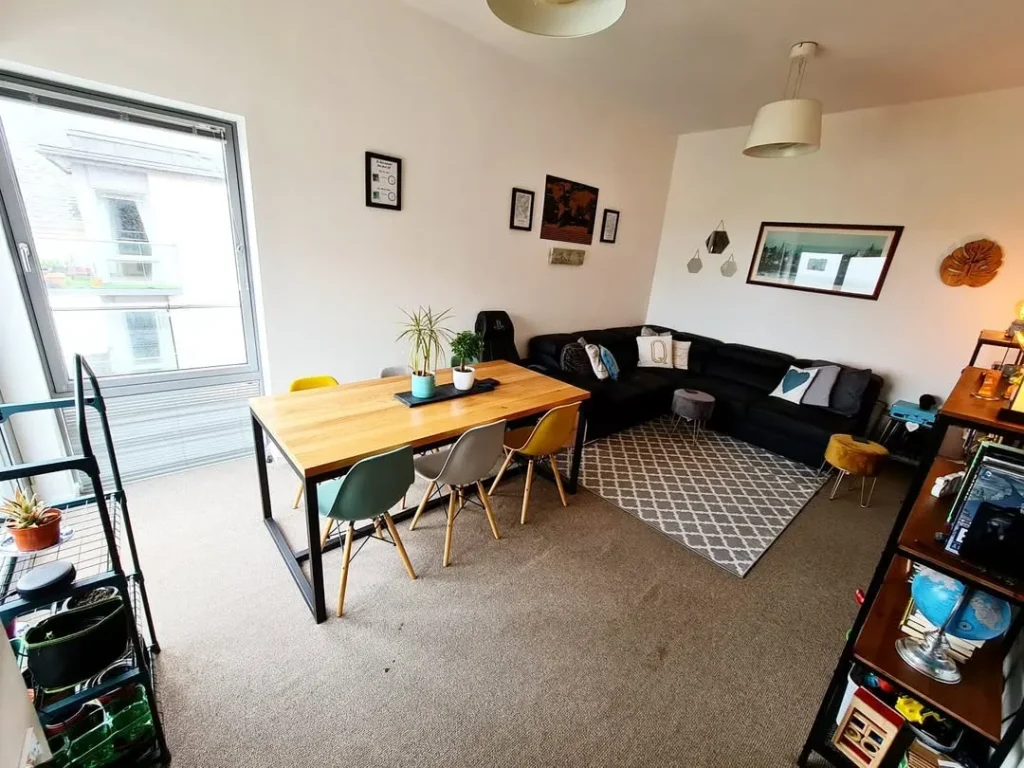
Add personal touches like family photos, travel souvenirs, or DIY art. These make the space uniquely yours and create a cozy, welcoming vibe.
24. Open Shelving Units
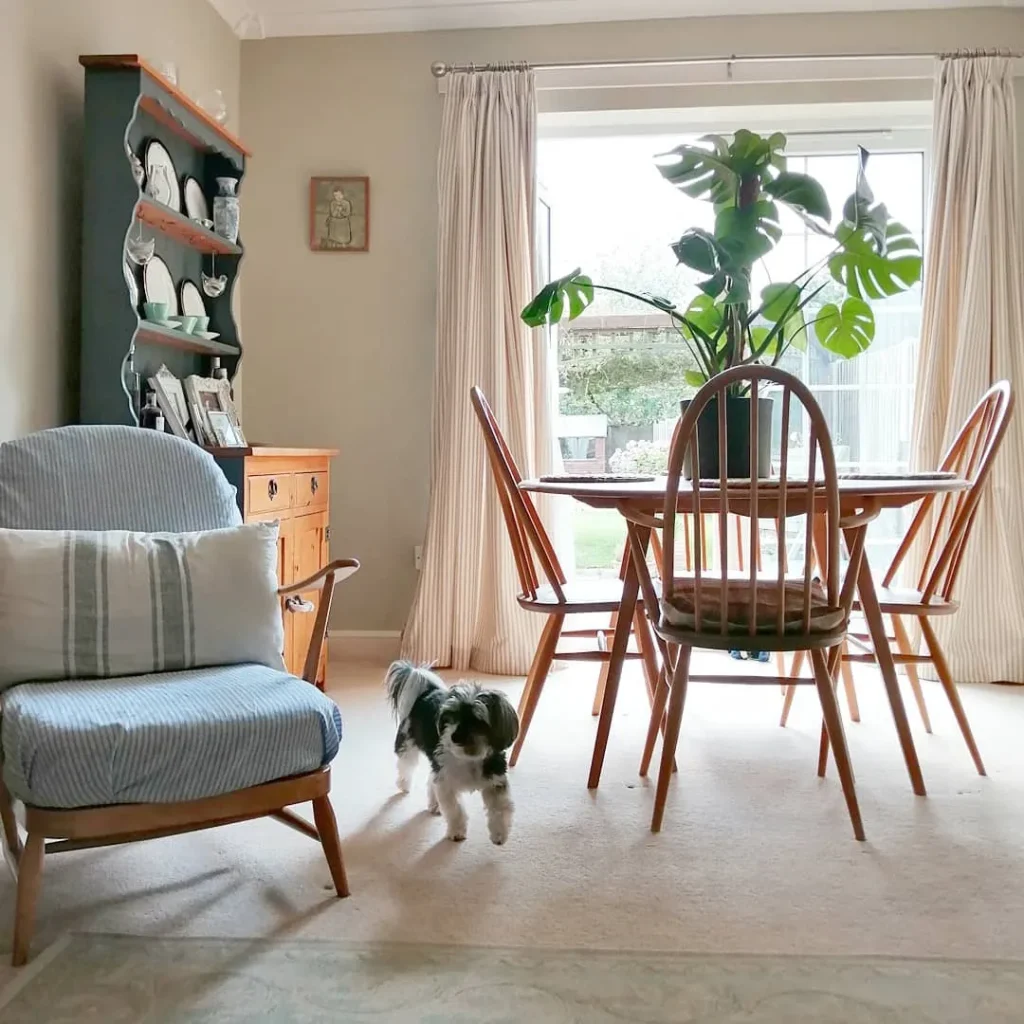
Use open shelving to separate areas while keeping the overall space light. You can store books or decor on the shelves, adding both function and style.
25. Floating Desks
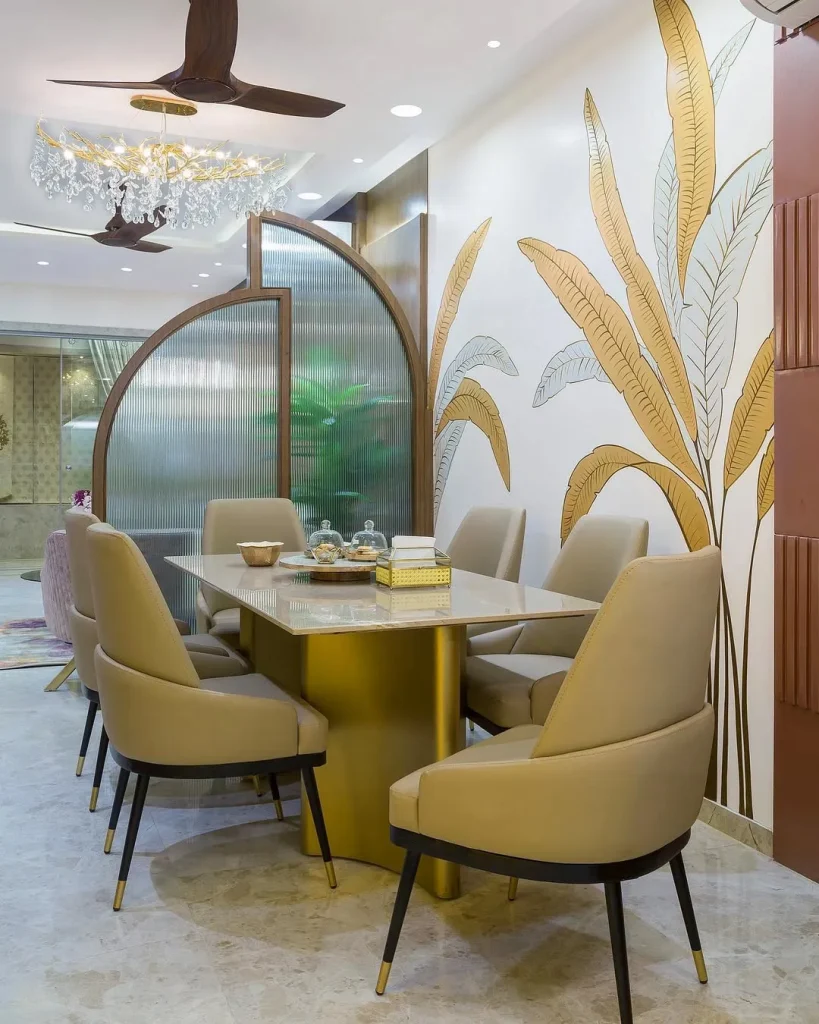
If you need a workspace, consider a floating desk on the wall. It saves space and can double as a dining table for one or two people.
26. Monochromatic Themes
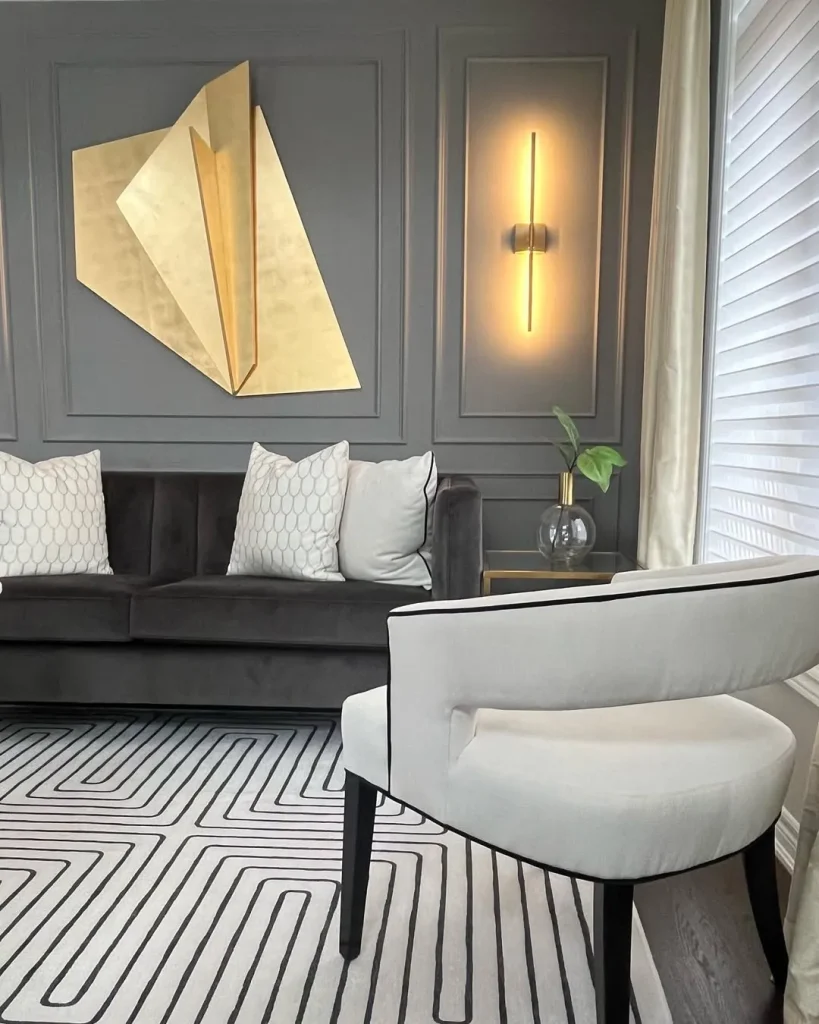
Stick to a monochromatic color scheme to create a visually cohesive and serene environment. Add textures like velvet cushions or wooden finishes for depth.
The beauty of small spaces lies in their potential to showcase creativity, adaptability, and personality. Start imagining your ideal combination today and see how a thoughtfully designed space can enrich your daily living experience. Let your small space tell a big story! These ideas are just the beginning—adapt them to your style and space to create a home you’ll love.